

Every four years, we hear the same promise from presidential candidates: “On my first day in office, I will….” It evolves from political theater into full-blown method acting. In reality, most of it is bullshit.
Presidents can do a lot on “day one,” ranging from issuing executive orders to making appointments, changing priorities, and reversing decisions made by their predecessors. The fiction is that the keys are already in the Oval Office ignition and we can go from zero to change in 100 days. Some truly believe the border will be fixed, regulations gone, and wars ended on “day one.” No Congress required.
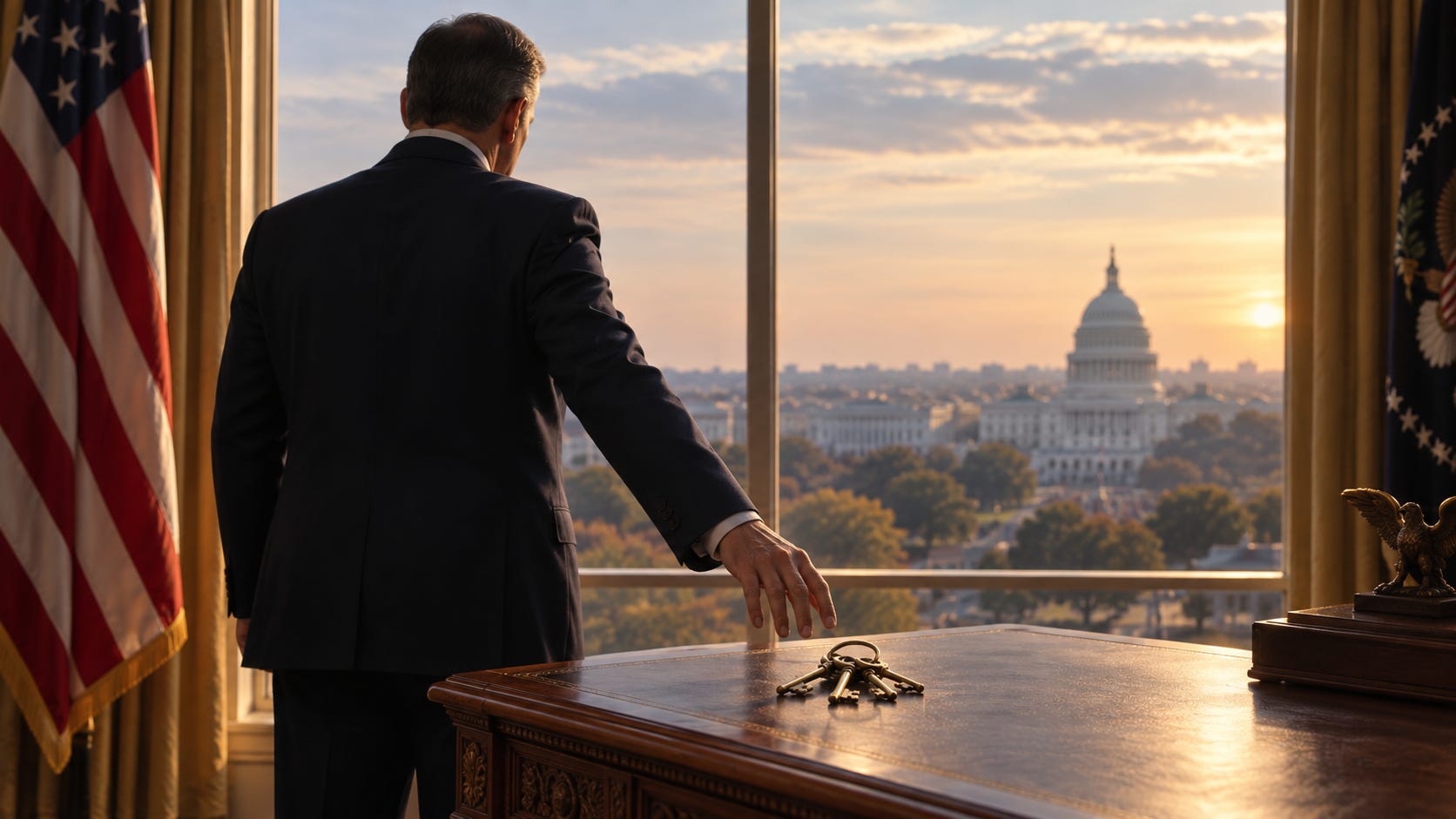
“Day one” isn’t just about speed of action. It suggests that the last election settles everything. Candidates create those expectations because, with each passing cycle, the voters increasingly expect immediate action. We elect a president and then demand almost immediate transformation. Elections change who occupies the office, but that office does not turn the country on a dime.
The People, Not the Party
In Federalist No. 39, James Madison answered what form of government the Constitutional Convention created. A republic, he wrote, derives its authority “directly or indirectly from the great body of the people.” His argument was radical in its simplicity: legitimate power came from the people. Still not far removed from the monarchy, the Framers refused to concentrate power in one institution or one person.
Instead, they built a government where interests converged through different institutions, none of which could speak for the country alone. They intentionally divided power, but did not disconnect it. Those separate entities had to work with one another for government to function, requiring slow consensus rather than immediate national referendums.
At the same time, winning an election does not make any institution the property of the party that won it. A president is chosen for the whole nation, including the millions who voted for the opposition. This idea of representative government carries on: the people elect leaders to govern collectively, not selectively. That is why the oath of office requires loyalty to the Constitution, not to the party that helped put you there.
“The People Have Spoken”
The tired electoral cliché, “the people have spoken,” has the benefit of sounding true enough. This is how political leaders want us to think: we’ve received a mandate and debate is over. Meanwhile, our history has never provided a single decisive election to end the debate. That idea is the very basis of The Unfinished Republic: that self-government is in perpetual motion. Every election begins with a government already in motion, shaped by the choices of the generations before it. Even the Constitution, amended 27 times, carries with it the friction of that ongoing debate. An election can shift the direction of our country, sometimes even dramatically, but it does not completely erase the past or settle the future.
Despite the wishes of some, Americans clearly do not speak with one voice when it comes to voting. A presidential election may have one outcome, but the voters divide power in other ways, whether in Congress or state governments. Tens of millions can vote for the losing candidate, but remain every bit as American when they wake up the next morning. Election night chooses a candidate and a direction, but requires everyone to remain represented and engaged.
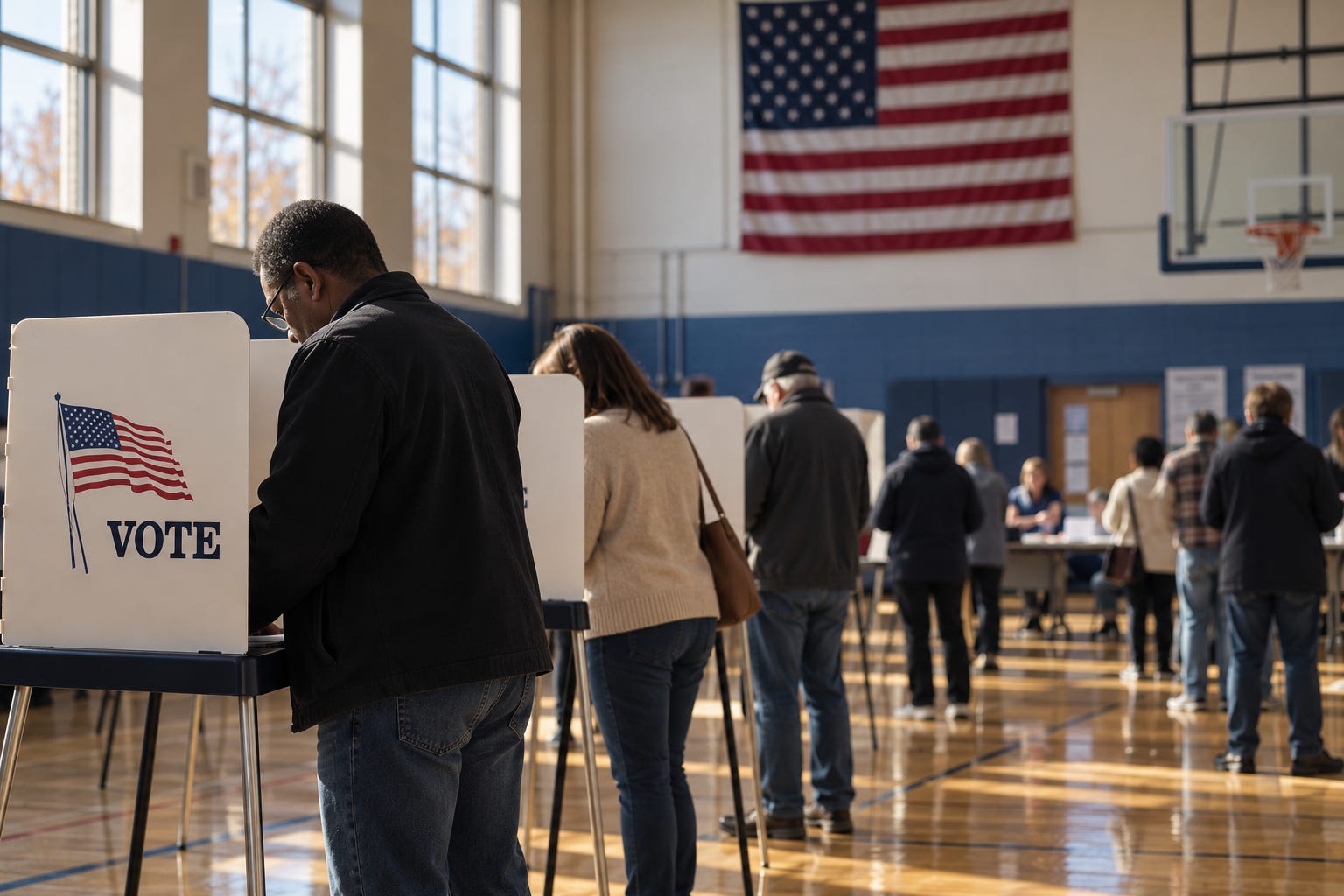
Though misunderstood, selecting our president shows how deeply that idea was built into the system. The Framers did not intend for us to simply hand the office to the candidate who received the most votes. Instead, they created the Electoral College, a group of electors representing each state based on the combined state representation in Congress. A candidate has to receive a majority of those votes or the election moves to the U.S. House of Representatives, with each state delegation voting as a single vote. The system blended popular choice with the role of the states rather than treating the country as a single national electorate. Madison, in short, described presidential power as coming from “a very compound source.”
Modern political sentiment increasingly characterizes elections as carrying more weight than they can actually bear. The political opposition is more commonly defined as dangerous rather than just wrong. We’re approaching a dangerous point where the opposition party has transformed from rival to existential threat to our safety and security. Political rhetoric is an addiction that requires a higher and higher dose to achieve the same effect.
Americans today want elections to end debates that have carried on for generations, and when they don’t, they treat their very existence as proof the system is broken. This sentiment proves a nation increasingly dependent on and expectant of shortcuts, as though a five-minute YouTube video will teach all of us how to solve complex problems. Instead, each election shapes the direction of a political continuum that the next electorate will judge accordingly.
It is both a necessity and a frustration of self-government that no instant solutions exist. Almost as soon as the votes are counted in one election, the debate begins again. Our republic depends on citizens willing and able to challenge our government and demand that leaders always answer to them. Political power grows not by eliminating opposition but by persuading it.
The Value of Friction
Madison understood that human nature fostered debate. In Federalist No. 10, he wrote faction was “sown in the nature of man.” Liberty allows debate and dissent so that anyone can be heard. Madison understood that the only way to destroy factions was to destroy liberty.
To prevent debate from being uncontrolled noise, we need representatives in various forms to “refine and enlarge” public opinion. To show how Congress achieved this, the old saying is, “the House poured the tea, the Senate let it cool.” In short, the People’s House was there to react quickly to public reaction, and the Senate deliberated it. Although the filibuster is not a constitutional tool, it reinforces the notion by forcing a majority to work with a substantial minority before acting. Eliminating it would effectively make the Senate another center of political id.
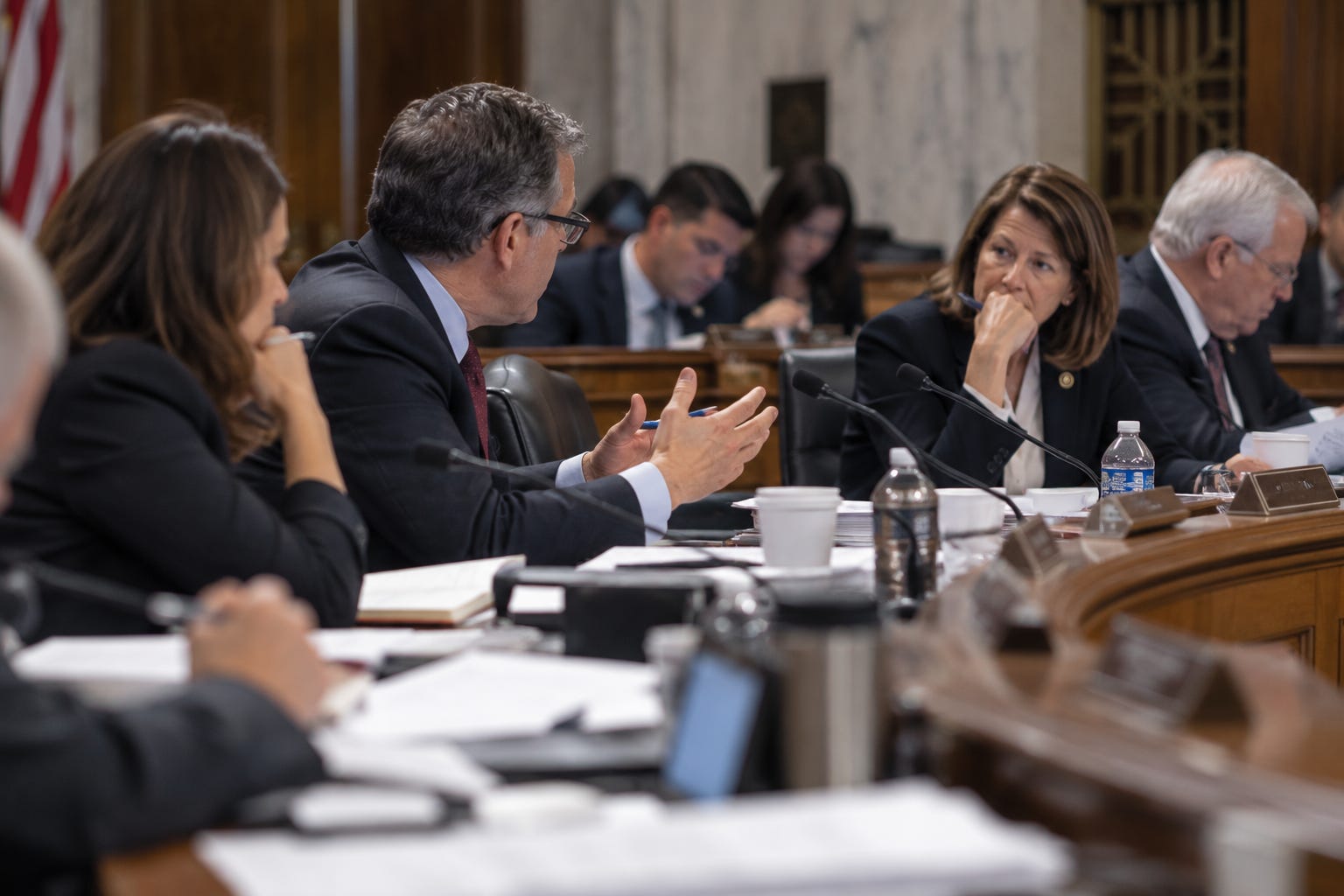
Persuasion takes time, and sometimes that is the point. Presidents should have to persuade the people and ultimately, Congress to enact change. Too often, a president pursues a policy aimed squarely at his political base while members of his own party in Congress refuse to stand in the way. Voters encourage this fear by treating any opposition as virtually criminal obstruction rather than deliberating the nuances of an issue. Even still, presidents have increasingly used extra-constitutional Executive Orders because even waiting for Congress to act is viewed as weakness.
Elections were never intended to marginalize voters who did not support the winners. Americans increasingly look to government entities to shield themselves and others from debate, building a government-sanctioned echo chamber. The warning is simple: a majority willing to silence the opposition today should remember how quickly power can reverse. After the next election, you may be the one begging to be heard.
But the balance is freedom to speak, not freedom to stop. The Framers rejected the Articles of Confederation, which paralyzed our new nation by demanding too much agreement. In Federalist 22, Hamilton warned that when a minority can overrule the majority, government can be kept “in a state of inaction,” weakened when action is most needed. He warned that decisions should come only after the “regular deliberations” of the whole body.
Hamilton warned against allowing a minority to stop the government from acting. The Constitution had to allow for opposition to prevent the oppression of the majority, but not replace it with the oppression of the minority. The majority must be able to govern, but it should have to hear the people it defeated along the way.
Incomplete Victory
Our impatient republic was not created by politicians alone. Over time, voters have incentivized it. Candidates quickly learn that promises to fight are easier than acknowledging that complex issues require patience and persuasion. So a vicious cycle of instant gratification feeds itself. The result is a self-government failure: speed has become a substitute for constitutional restraint.
This flawed expectation cuts across party lines. In July 2026, Pew found that a majority of voters in both parties prefer congressional candidates who will “fight hard” for partisan policies “even if it makes it harder to get things done.” So we increasingly reward political leaders for not compromising, then wonder why our institutions cannot govern effectively.
Politicians are like feral animals, responding to what keeps them alive politically. So they layer intellectual dishonesty to paper over their own failures. When campaign promises don’t come at lightning speed, they blame an imagined corrupted system rather than admitting our system requires them to earn outcomes. Voters get more impatient, and politicians get more creative, all at the expense of our constitutional republic. So where does that leave us? Applying the rules selectively. The Constitution is easy to defend when it slows down “the other side” but harder to defend in the face of “our guy.”
What worries me is that this habit is becoming more and more dangerous because power flows like water, always looking for space to fill. A shortcut lives long after the politician who cut it, and is deposited into the hands of someone else who will stretch it again. The constitutional limits that frustrate quick political victories also remind us that those victories are temporary.
Self-government requires more than “winning” because the constitution creates a deadline to those wins. We have to balance progress, liberty, and respect to maintain a republic. So the burden is not simply on prevailing, but rather on the work you do after the victory. Otherwise, the only progress is the erosion of liberty and respect. And we’ve seen enough progress on that already.